

Patio Door Locks Replacement
Patio door locks offer an element of security that is crucial to the security of your home. Installing an upgrade to your lock is a straightforward way to improve your homes security.
To replace your patio doors locks properly, you must first identify the lock type on the door. This will allow you to find a replacement lock that is compatible with the lock you have.
Clean and Lubricate
You must clean and lubricate your locks frequently If you want them to work in the way they should throughout their lifetime. You can prevent your locks from becoming stuck or cause damage by lubricating them regularly. It will also save money by extending the lifespan of your locks, and keep your home secure for a longer period of time.
Patio door locks are a critical element of your home security and can stop intrusions into your home. replace door lock Repair My Windows And Doors may become damaged or stuck due to dust, dirt and other debris that can accumulate in the lock mechanism. Fortunately, a little bit of regular maintenance will help in ensuring that your patio door locks remain functional for the duration of their lives.
Cleaning your patio door locks frequently will help to keep them in top shape But you should keep them lubricated regularly. A silicone-based product is the best since it doesn't attract dirt or dust and can be used in low and high temperatures. If you don't have a silicone-based lubricant on your shelf, you can try graphite powder. It is available as a dry formula.
WD-40 is a different option that acts as a penetrating oil that can quickly get a lock stuck moving again. It also helps get rid of any corrosion or rust that could be causing the lock to get stuck. It is important to note that WD-40 is a component of oil and may cause the same kind of buildup as other lubricants based on oil do.
If you're experiencing issues with your lock and it isn't responding to lubrication, it might be time to get in touch with a professional locksmith to conduct a more thorough cleaning and repairs. A professional locksmith can take apart the lock and expose any internal issues that require attention. They'll be able fix them quickly. If you are unable to fix it yourself, you might need to replace the cylinder of your lock. This is the simplest option to ensure the highest security for your home.
Take off the Latch Body
Patio doors are an attractive target for burglars because of the large amount of glass and the easy access. It is therefore vital that your patio door locks meet Police & Insurance Standards. These locks are typically central rail key-operated, or modern rim locks that locks the patio door into the frame multiple times with a single turn of the handle.
If your patio door latch is not latching or closing properly, it may be that the sliding panel is not completely parallel to the jamb and/or door frame. You will need to adjust the bottom rollers left and right in order to make it square. This will allow the tongue of the latch to engage with the latch hasp.
After the rollers have been adjusted, it is time to take off the latch body. Use the flat head of your screwdriver to pry out the latch from its recess within the patio door frame. If you are having trouble getting it to move, you can try using pliers to grasp the latch and take it out. Be careful not to scratch the frame of the door or the latch mechanism.
This will expose the screws that hold the latch in place and permit you to take it off it. Once the latch is removed, you will need remove the escutcheon from the frame of the door. Replace it with a lock plate that matches the new lock.
The plate that covers the hole where the latch was installed and it is important that it is in line with the size and design of your new lock to ensure proper fitment and aesthetics. Once you have the plate replaced, it's an excellent idea to test the lock to make sure it's working exactly as you would expect it to. If it is not, then you will need to repeat the cleaning and lubricating the lock in order to restore it. If it does not function as it should, you'll need to consider a replacement lock.
Measure the Width of the Lock
Over time, your patio door and windows hardware may become cluttered with dust, dirt, rust, and other debris. These foreign objects can stop your lock from engaging properly because they prevent movement between the strike plate and latch. These obstructions, if left unchecked can eventually lead into a damaged lock to fail. By checking your door locks, and checking for signs of wear and tear, you can avoid these issues and keep the security of your home safe.
The locks for patio doors are available in various styles and functionalities. Some patio door locks come with tabs that connect to the frame to prevent forced entry or lifting, while others feature bolts that slide into a strikeplate, locking a door in place. These kinds of locking mechanisms are frequent on older patio doors. They can be replaced with new handles for your patio door locks to improve the security of your door.
Steel mortise style locks are more secure than other types of patio door locks and are typically used on vinyl, wood and aluminum patio doors. They are available in various sizes to accommodate various door thicknesses. These locks can be inserted in rectangular cutouts that are shaped like the door frame, or placed into escutcheon plates for an elegant look. Some of these locks also conform to police standards and add an additional security layer to your home.
These patio door locks can be recessed for a more streamlined look. These locks are designed to resist forced entry and are suitable for commercial and residential applications.
The best way to determine the type of patio door lock that is installed in your home is to look at the keyway. Some have keys that are vertical while others are bent at 45 degrees. To determine which lock to replace the existing one, take the handle off and observe how the small actuator lever fits into the latch. You can then purchase a replacement lock that matches the keyway length and angle of the lock you have. It is a good idea to capture a digital image of the lock when you take it out to help you match the replacement.
Make sure you check the screw holes
There are a few factors to consider when installing an outdoor door or upgrading the locks on your existing doors. Finding out about trusted brands like ERA, Smith & Locke or Yale will help you make the right choice to ensure the safety of your family and home security. Installing a new patio door with a robust lock system is one of the most effective investments you could make. It can greatly increase the resistance of your home to burglaries and allow you to sleep peacefully at night.
While all locks experience some level of wear and wear, patio door locks are especially susceptible to a variety of problems. A damaged or defective patio door lock can render your patio doors inoperable. This is why it is crucial to examine and maintain these locks regularly.
Patio door locks are a common entry point for burglars. This is because these doors tend to be more accessible than the stronger doors on your property. To prevent this from happening, invest in a quality patio door lock that is designed to withstand prying and twisting.
A multi-point locking mechanism will significantly improve the security of your patio door. These systems secure the doors at multiple points, typically at the top, middle and bottom of the door, which makes it more difficult for burglars to open them. These locks are usually a combination deadbolts with hook bolts or shoot bolts. Some locks can be operated with one handle or key for convenience.
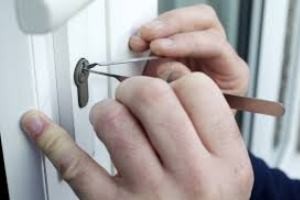
While installing a new patio door lock, be sure to pay attention to the screw holes. The screw holes will vary in a significant manner depending on the kind of lock you select. For example, a mortise lock with latches has screws that are embedded into the door's frame and rim. These locks are more difficult to disassemble and that's why it is recommended to get a locksmith who is experienced to install the locks for you.
If you have an uPVC patio door that is single-sliding it is possible to install a surface mount lock without any tools. The locks are equipped with a lever actuator that is inserted into the keyway. This type of lock offers basic security, is easy to use, and cost-effective. It is best to consult with your insurer to see if it meets the requirements of your insurance.